Classical Acupuncture Kenilworth
Help to relieve pain
What is acupuncture, and what to expect
Acupuncture is based on an ancient preventive healthcare system that views pain and illness as signs that the body is out of balance. There are many reasons for this emotional and physical stress, such as a poor lifestyle or injury. Today, acupuncture uses various treatment therapies to stimulate the healing process and help restore health.
Though needles may be the primary tool, Yvette is fully trained and certified in a variety of other therapies that restore health, such as acupressure using press pellets or magnets (pressure instead of needles over acupuncture points), cupping, and moxibustion (heating herbs over the acupuncture points). Hence, children or those with phobias can receive treatment without the fear of needles.
At your first appointment, you will have a consultation, a physical analysis, and your first treatment, depending on your diagnosis. Furthermore, any necessary lifestyle or dietary advice will be given to support your ongoing treatment plan… Generally, if patients are in an acute situation, only 2 or 3 treatments are needed. However, chronic conditions or longstanding illnesses that have persisted for some time usually require long-term treatment.
Korean Hand Acupressure treatment may be prescribed to take home to support your treatment plan further.
Prevention is the key to ensuring that presenting or underlying symptoms do not develop into new or chronic conditions; therefore, continued maintenance treatments are recommended.
What acupuncture and other East Asian therapies can treat
Pain relief
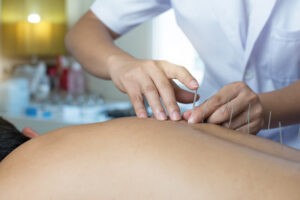
Over the years, there has been substantial debate about whether acupuncture really works for pain. Clinical research is increasingly demonstrating that acupuncture may provide real relief compared to common forms of pain such as back pain, neck pain, headaches and migraines, arthritis and IBS. Against those who received no treatment
Emerging evidence suggests that those who suffer from other conditions can also benefit from treatment, such as joint pain, plantar fasciitis, piriformis, sciatica, frozen shoulder, abdominal pain, and PMT. Dyspepsia, neuralgia, angina, MS-related muscular spasms, cramps, restless leg syndrome, sinusitis, dental pain, or recent surgery or injury.
Cancer care
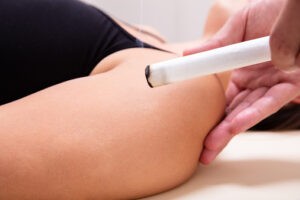
More recently, acupuncture is being considered as an additional pain management option for those with cancer receiving treatment or undergoing surgery, and for many common side effects after cancer treatment, such as hot flashes, chemotherapy-induced peripheral neuropathy, and xerostomia (dry mouth).
Mental/emotional
We all have to deal with increasing challenges at different stages of our lives, a stressful lifestyle, rising demands at school, home, or work, financial, conception, or relationship worries, and a poor diet or a disregard for our need to rest. Over time, damaging hormones promoted by these stresses have a detrimental effect on our neurotransmitters, not only physical issues, but triggering behavioural and emotional imbalances such as depression, seasonal affective disorder, anxiety, panic attacks, compulsive obsessive disorder, insomnia, post-traumatic stress disorder, eating disorders and addictions.
Recent research in the use of acupuncture to treat mental health concluded that acupuncture showed to help lower the harmful effects of the stress response and restore normal levels of neurotransmitters.
Fertility
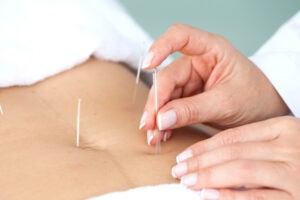
Acupuncture has become more prominent over the last 20 years; in fact, many doctors endorse it for the treatment of infertility. There are many reasons for infertility in both men and women. Growing research suggests that Acupuncture can be considered an alternative treatment in improving IVF success, restoring fertility in some patients, by improving sperm quality and ovary function, alongside balancing the endocrine system and hormones.
Pregnancy
There is growing research suggesting that acupuncture is relatively safe during pregnancy and can support the mother through all 3 trimesters, reducing nausea, aches and pain, insomnia, and anxiety, breech presentation, aiding labour, supporting delivery, and nurturing the mother after the birth.
Menopause
For some women, the menopause and the years leading up to it can be a time of troubling emotional and physical symptoms. The most common Irregular menstrual cycles, heavy menstruation, excessive sweating during night, hot flashes, vaginal dryness, itching and pain during, frequent UTIs, mood swing, brain fog, fatigue, and weight gain.
The most common treatment, Hormone replacement therapy (HRT), helps to ease symptoms like hot flushes and sweats, but it’s not suitable for all women. Acupuncture and moxibustion can be an ideal alternative to relieve the symptoms of menopause.
Gynaecological Issues
Thousands of case reports have shown that acupuncture treatment can help to relieve the symptoms associated with PMT, menstrual issues, PCOS, endometriosis, vaginal discharge, and many more. Acupuncture can provide a safe alternative to conventional medicine in treating gynaecological disorders.
Autoimmune disease and other illnesses
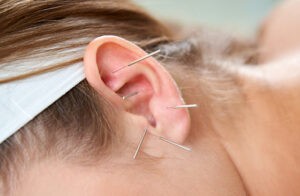
Autoimmune diseases are a group of disorders in which the immune system attacks the body’s tissues, destroying or altering them. There are more than eighty serious chronic illnesses in this category, including rheumatoid arthritis, thyroid disease, diabetes, celiac disease, asthma, allergies, psoriasis, and multiple sclerosis.
As we age, some illnesses and conditions are more likely to occur, such as cardiovascular, circulatory, and digestive disorders, urinary issues and arthritis.
Clinical research has shown that acupuncture causes physical responses in nerve cells, the pituitary gland, and parts of the brain. It is proposed that, through these actions, acupuncture affects blood pressure, body temperature, circulation, and the immune system by releasing proteins, hormones, and brain chemicals that restore equilibrium and improve health and well-being.
Childhood Illness
 Over the last decade has been a marked increase of children suffering from chronic illness. These conditions may persist into adulthood, with a significant impact on the whole family and the affected child. Therefore, it is unsurprising that many families are now seeking alternative therapies to support their children’s health
Acupuncture may not be the first option due to fear of needles; however, treatment is primarily non-invasive, including moxibustion (heating the point), manual pressure, press pellets, and lasers.
Clinical studies suggest that acupuncture and related treatments are considered to be safe and well tolerated, may help relieve paediatric pain, bed wetting, tic disorders, nausea and vomiting, digestive, skin, and respiratory disorders, and support anxiety, ADHD, and ASD.
Cosmetic treatment
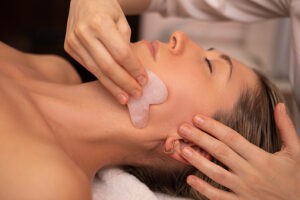
Traditional East Asian Medicine offers A non-invasive treatment to improve the appearance of the skin. Facial Gua sha, acupressure, and cupping treatments help clear away toxic elements, enhance the circulation of blood and qi, and lymphatic flow, stimulate the skin’s natural oil production, and release toxins.
Helping smooth away lines, plump, tighten, and rejuvenate the skin. Reduce under-eye circles and puffiness. Whilst cupping helps to clear impurities, stimulate blood production and relax
Cupping
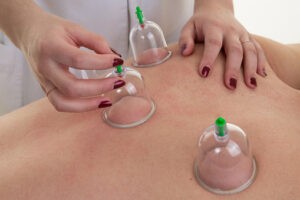
Cupping is gaining popularity worldwide. Cupping was initially used to drain toxins and skin pustules. Today, in Asia, cupping is used to dispel stagnation of qi (energy) and blood.
Non-invasive cupping (dry and sliding) is mainly used in East Asia. Cupping technique uses cups applied to the skin, creating negative pressure by creating a vacuum to increase blood and Qi circulation and lymphatic drainage, regulate the immune system, break down tissue adhesions, and promote healing.
After initial diagnosis, the cups are left in place for 3-10 minutes, which causes mild to moderate bruising that resolves over 3-10 days. Therefore, it should be used infrequently and is not suitable for those who are pregnant or have renal, cardiac and blood disorders, thinning skin or are on blood-thinning medication.
Many studies from China suggest that cupping may have potential benefits for alleviating muscular/fascial restriction pain and for treating conditions such as asthma and digestive disorders.
Over the last 13 years, I have used cupping as a treatment or supplementary treatment. In many cases, patients experience instant relief of pain and discomfort.